

The Ultimate Guide to Preparing for Surgery and Recovery
Pain management plays a crucial role in post-surgical recovery. Doctors may prescribe pain relievers or recommend alternative therapies like cold compresses, relaxation techniques, and gentle movements to reduce discomfort. Recovery after surgery begins the moment the procedure ends. Patients are closely monitored in recovery rooms where vital signs, pain levels, and wound conditions are assessed. Doctors and nurses ensure that anesthesia wears off safely and the body stabilizes. Following this initial phase, patients receive detailed instructions about wound care. Post-Surgery Care and Recovery Steps Long-term recovery requires attention to nutrition, follow-up care, and lifestyle adjustments. A balanced diet rich in protein, vitamins, and fluids strengthens the body’s healing capacity. Regular checkups allow doctors to monitor progress and make necessary adjustments in treatment. Patients are also advised to avoid smoking, manage stress, and gradually increase activity levels. Emotional well-being plays a role too—support from family and friends eases the recovery journey. By committing to these steps, patients can achieve complete recovery and reduce risks of post-surgery complications. Successful recovery after surgery requires more than rest—it demands careful wound care, proper nutrition, and guided activity, ensuring patients heal safely, regain strength, and return to daily life confidently. citation A Patient’s Guide to Anesthesia and Recovery These activities are carefully tailored to each patient’s condition and type of surgery. Progress may feel slow, but consistent movement boosts circulation, enhances lung function, and supports faster recovery.

How Anesthesia Supports Pain-Free Medical Procedures
Anesthesiologists monitor patients closely throughout surgery, adjusting medication levels to maintain comfort while ensuring safety. Advanced monitoring systems track breathing, blood pressure, and heart function, providing continuous oversight. Anesthesia comes in different forms, including local, regional, and general anesthesia, each tailored to the procedure and patient’s needs. Local anesthesia numbs a small area, regional anesthesia blocks sensation in a larger part of the body, and general anesthesia induces complete unconsciousness. Understanding these types helps patients know what to expect and reduces anxiety before surgery. Advancements in Modern Anesthetics Modern anesthetics are safer, faster-acting, and more personalized than ever before. Innovations in drug formulations and delivery techniques reduce side effects and allow quicker recovery times. Techniques like target-controlled infusions and improved monitoring tools provide precise control over dosage, minimizing risks. These advancements also support outpatient surgeries, enabling patients to return home the same day. With continuous research and technology, anesthesia continues to evolve, offering better safety, comfort, and efficiency in medical treatments. Anesthesia ensures medical procedures are safe, painless, and stress-free—providing patient comfort, supporting surgical precision, and allowing faster recovery with minimal side effects through modern, advanced techniques. citation Recovery After Anesthesia Use Recovery from anesthesia varies depending on the type used and the patient’s overall health. Most patients wake up within minutes after surgery, with monitoring to ensure stable breathing and circulation.

Strategies for Better Emotional Well-being Today
Managing stress is essential for emotional well-being. Techniques such as deep breathing, meditation, yoga, and time management reduce anxiety and promote calmness. Identifying stress triggers and setting realistic goals allows for healthier responses. Mindfulness and relaxation practices help center the mind and reduce emotional tension. Techniques like meditation, guided imagery, and progressive muscle relaxation encourage self-awareness and calmness. Regular practice improves focus, emotional regulation, and stress tolerance. Being mindful of the present moment allows individuals to observe thoughts without judgment, fostering acceptance and clarity. Stress Management Techniques That Work Managing stress is essential for emotional well-being. Techniques such as deep breathing, meditation, yoga, and time management reduce anxiety and promote calmness. Identifying stress triggers and setting realistic goals allows for healthier responses. Combining physical relaxation methods with mental strategies, like positive self-talk or cognitive reframing, empowers individuals to maintain control over emotional reactions. Effective stress management prevents burnout, improves focus, and contributes to long-term mental stability, allowing people to navigate daily pressures more effectively. Prioritizing emotional well-being strengthens resilience, reduces stress, and enhances overall quality of life-small daily habits and supportive relationships make lasting mental wellness achievable for everyone. citation Balancing Work, Life, and Emotions Maintaining a healthy balance between work, personal life, and emotional needs is key for mental wellness. Setting boundaries, scheduling downtime, and prioritizing self-care prevent burnout.
Emerging Technologies and Innovative Treatments
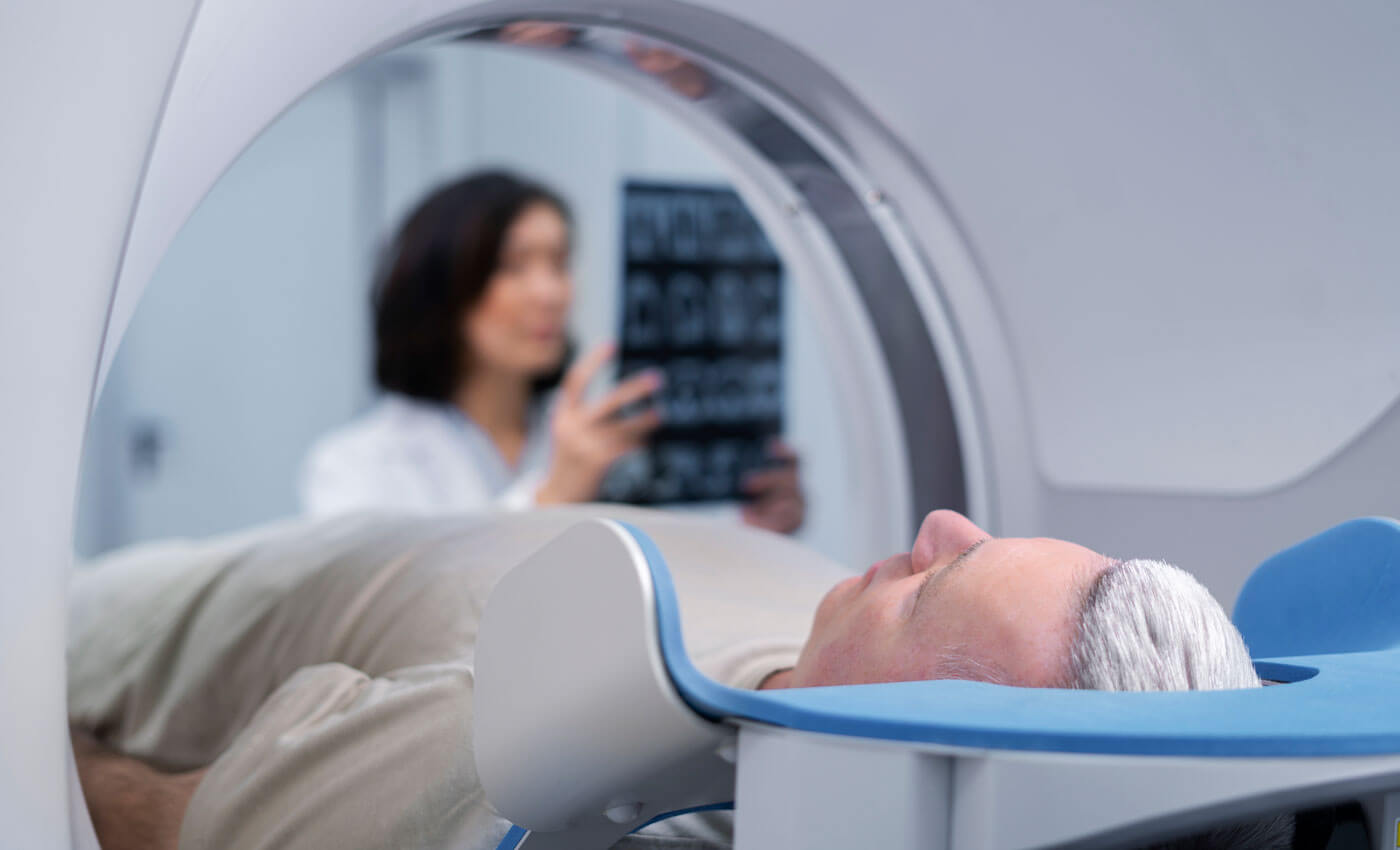
Robotic surgery benefits patients by reducing post-operative pain, scarring, and hospital stays. Minimally invasive techniques allow quicker mobilization and faster return to daily activities. Patients experience lower complication rates and less blood loss during surgery. Robotic-assisted surgery is revolutionizing the operating room by providing surgeons with enhanced precision, control, and flexibility. Small, highly accurate robotic instruments allow complex procedures to be performed through minimal incisions, reducing trauma to surrounding tissues. This technology improves surgical accuracy, minimizes human error, and often leads to better patient outcomes. Robotics Transforming Surgical Procedures Looking ahead, robotics in surgery is expected to become even more sophisticated, incorporating artificial intelligence, machine learning, and remote operation capabilities. These advancements may enable real-time predictive guidance, automated assistance, and even telesurgery across distances. As technology continues to evolve, patients can expect faster recovery, fewer complications, and personalized surgical care. Robotics is reshaping surgery, setting a new standard for precision, efficiency, and overall patient experience in modern healthcare. Robotic-assisted surgery enhances precision, reduces recovery time, and minimizes complications—empowering surgeons to perform complex procedures safely while improving patient outcomes and overall surgical experiences. citation Cutting-Edge Diagnostic Tools Robotic surgery also supports continuous innovation in medical techniques. Surgeons can integrate data from preoperative imaging and intraoperative sensors to plan and adjust procedures in real time.